

The pace of modern software development continues to accelerate. Release cycles are shorter, interfaces are more dynamic, and the cost of unstable automation grows with every deployment. For QA teams, choosing the right framework is no longer a technical preference — it’s a strategic decision that directly impacts product quality and delivery speed.
In recent years, Playwright has established itself as a leading solution for modern QA workflows. Whether teams are scaling CI/CD pipelines or improving test reliability, playwright automation is rapidly becoming the default choice across industries.
Playwright at a Glance
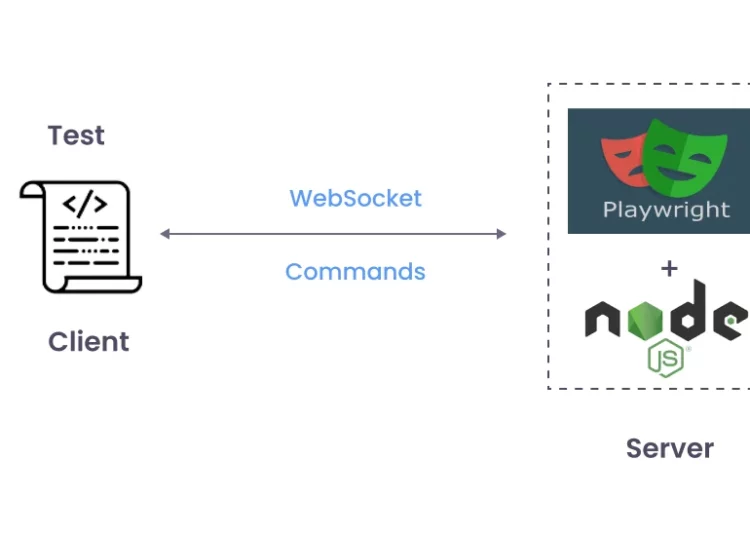
- Architecture: Direct browser communication via WebSocket (no WebDriver layer).
- Stability: Built-in auto-waiting significantly reduces flaky tests.
- Performance: Lightweight browser contexts enable massive parallel execution.
- Multilingual: Supports TypeScript, JavaScript, Python, .NET, and Java.
- Management: Seamlessly integrates with Testomat.io for full-cycle visibility.
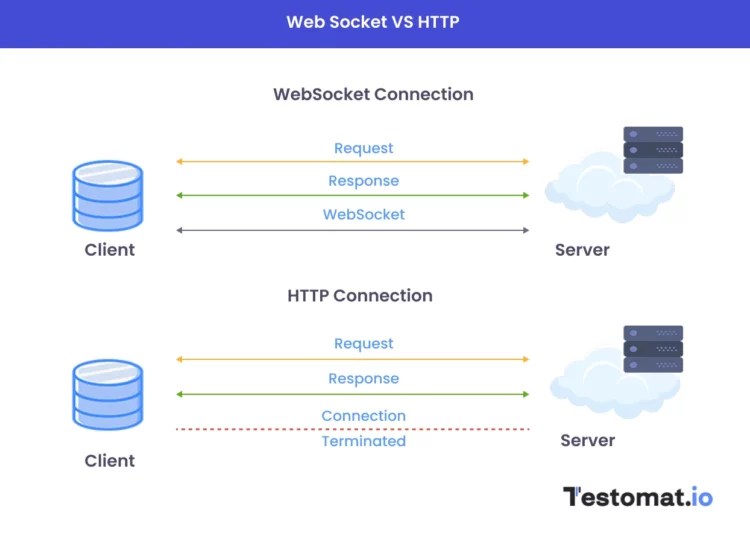 Playwright vs Legacy Tools (Quick Comparison)
| Feature | Playwright | Selenium / WebDriver |
| Execution Speed | Ultra-fast (Direct Protocol) | Slower (HTTP/JSON Wire) |
| Stability | Native Auto-waiting | Manual/Explicit waits only |
| Parallelization | Native (Browser Contexts) | Requires Grid/External tools |
| Setup | Zero-config / Out of the box | Complex dependency management |
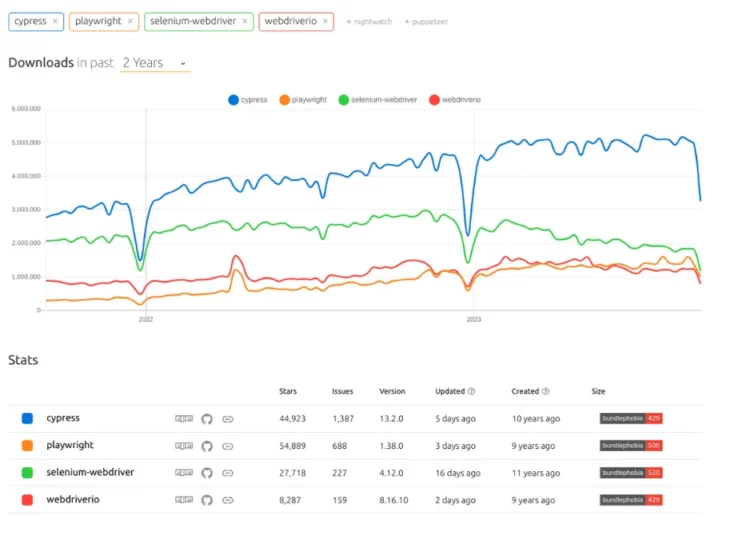
This is why modern QA teams are actively migrating to Playwright in 2026.
1. The Foundation: What Is Playwright?
Before implementing any automation strategy, it’s important to understand what Playwright is in a modern development context.
Playwright is a cross-browser automation framework that allows developers and QA engineers to control browsers using a unified API. Unlike legacy tools, it communicates directly with the browser engine instead of relying on intermediaries. This architectural approach enables faster execution, better control over browser behavior, and advanced capabilities like network interception and API mocking.
2. High-Velocity Scaling with Playwright Automation
One of the biggest advantages of playwright automation is its ability to scale efficiently without significantly increasing infrastructure costs.
Traditional tools often require launching full browser instances for each test. Playwright solves this with its browser context model, where isolated sessions are created instantly within a single browser instance. This allows teams to run hundreds of tests in parallel and reduce load on CI/CD environments. For SaaS products and high-load systems, this scalability becomes a key competitive advantage.
 3. Engineering Trust via Playwright Testing
Stability has always been one of the biggest challenges in automation. With playwright testing, this issue is largely addressed at the framework level through built-in “actionability checks.”
Playwright ensures that elements are visible, stable, and interactable before performing any action. This reduces false failures and minimizes maintenance effort. In 2026, teams using Playwright report a 70% improvement in pipeline stability compared to legacy solutions.
4. The Expert Layer: Orchestration with Testomat.io
Even the most powerful framework needs a centralized system to manage and coordinate testing processes. In modern QA workflows, a test management layer is no longer optional — it is a requirement.
This is where Testomat.io acts as the control center for Playwright-based automation. By integrating Playwright with Testomat.io, teams can:
- Manage automated and manual tests in one unified workspace.
- Transform raw execution data into clear, executive-level reports.
- Detect outdated or broken tests automatically (Out-of-Sync status).
- Connect test runs to Jira tickets and business requirements.
FAQ (People Also Ask)
1. What is Playwright used for?
Playwright is used for end-to-end (E2E) testing, UI automation, and cross-browser validation of modern web applications (SPA, PWA, etc.).
2. Is Playwright better than Selenium?
Yes, in 2026, Playwright is preferred for its higher speed, native auto-waiting mechanisms, and much simpler CI/CD integration.
3. What is playwright automation?
It refers to the process of using the Playwright framework to automate browser interactions, complex workflows, and test suites within a development pipeline.
 Best Playwright Stack for 2026 (Quick Answer)
For teams building reliable and scalable QA systems, the most effective setup is:
- Execution Engine: Playwright
- Strategy: Playwright automation with parallel contexts
- Reliability Layer: Playwright testing with actionability checks
- Control Center: Testomat.io for orchestration and reporting.
Conclusion
Modern software development requires faster, more reliable testing approaches. Playwright provides a strong foundation with its speed and scalability. However, real efficiency comes from treating automation as a complete system. By combining Playwright with a centralized platform like Testomat.io, teams build QA processes that are not only efficient but also perfectly aligned with business goals.